
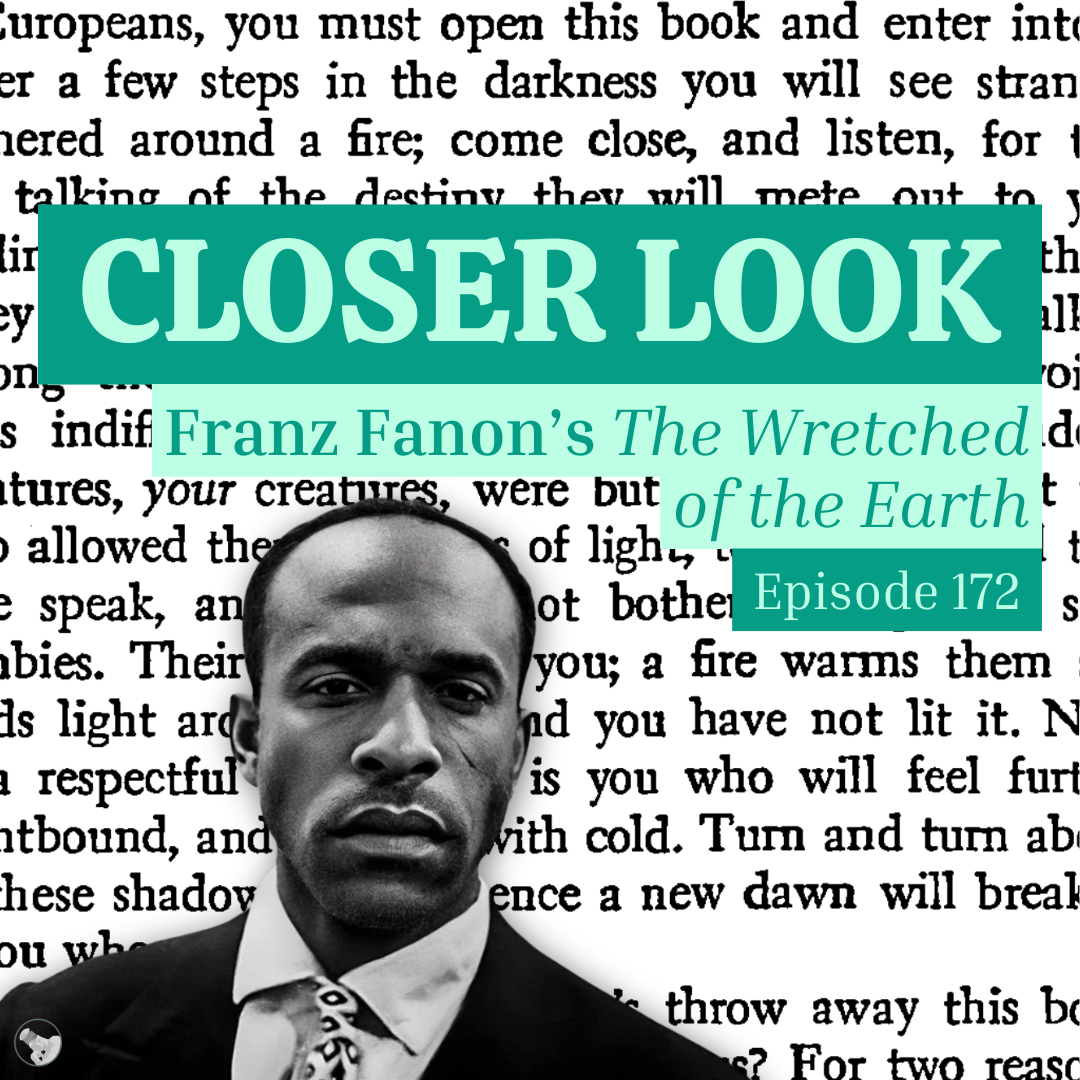
Episode 172: Closer Look: Fanon, Wretched of the Earth
In episode 172 of Overthink, Ellie and David take a closer look at Frantz Fanon’s The Wretched of the Earth, “the bible of decolonization.” They discuss Fanon’s bold stance on violence, his condemnation of rituals and dance, and some potential criticisms. They also question what the subjectivity of colonized people looks like given colonialism’s psycho-affective effects. What does violence do for the colonized? Who gets liberation movements off the ground? And what are the challenges that a newly independent nation might face once a colonial power has been overthrown?
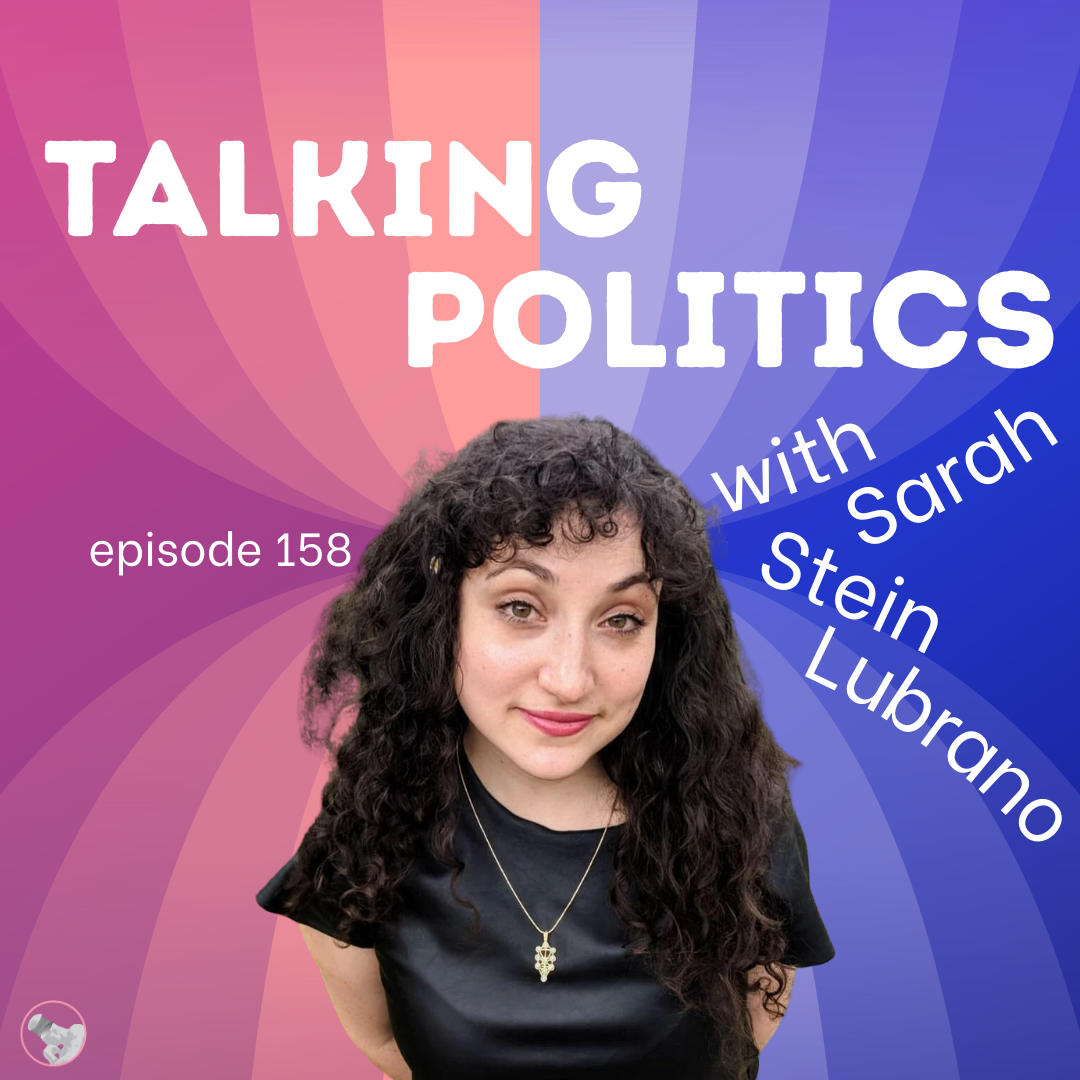
Episode 158: Talking Politics with Sarah Stein Lubrano
In episode 158 of Overthink, Ellie and David speak with Sarah Stein Lubrano, author of Don’t Talk About Politics: How to Change 21st-Century Minds, about why discourse is not the solution to political polarization. They discuss the problems with thinking about political opinions as a "marketplace of ideas," why public debates don't change our political views as much as personal relationships, and how social atrophy weakens citizenship. What is the value of political protests? How does the ideal of debate perpetuate politics as war? And should we re-imagine social media platforms like X to encourage productive dialogue, or log off of them completely?
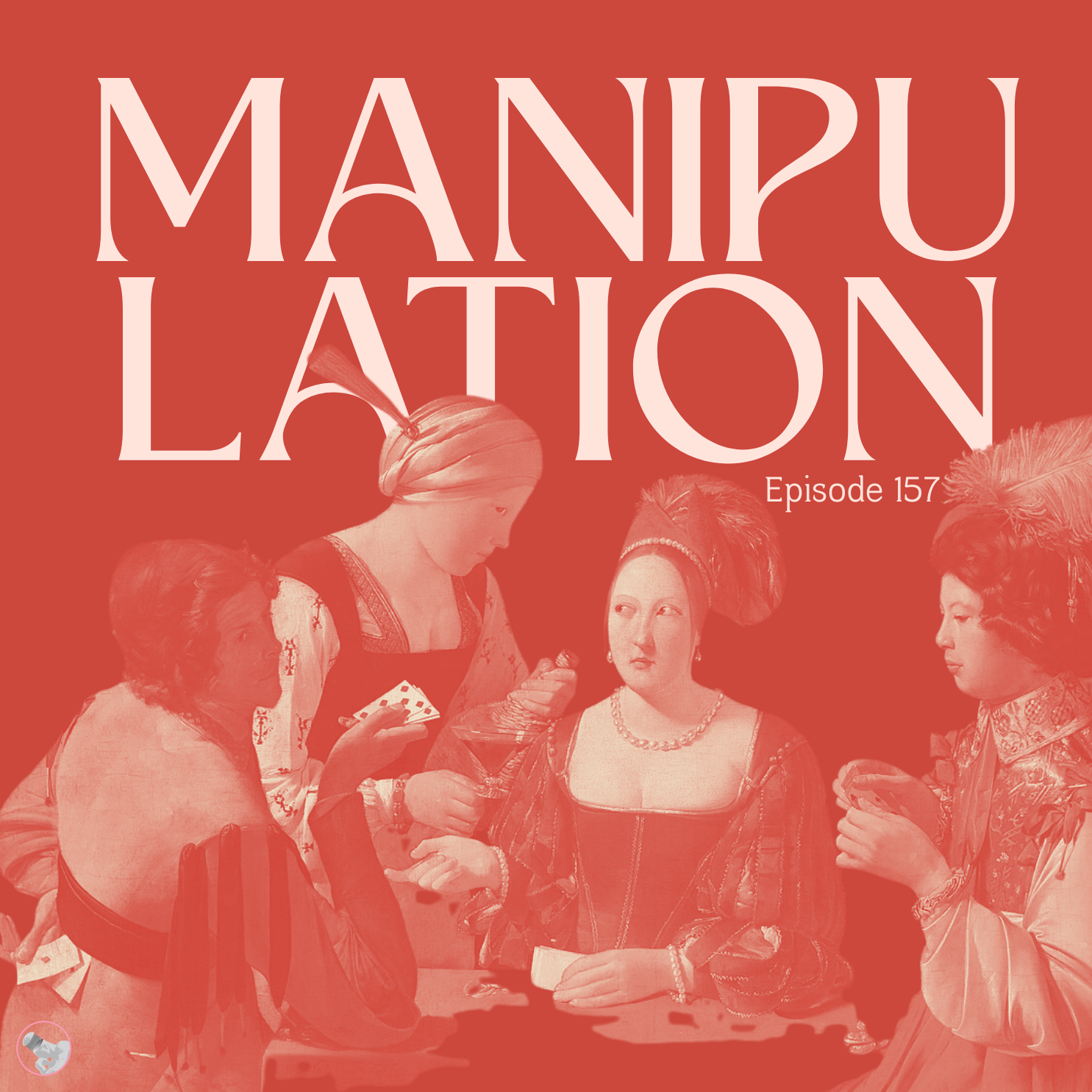
Episode 157: Manipulation
In episode 157 of Overthink, Ellie and David talk about manipulation. They discuss what makes up a manipulative personality, why manipulators see social interaction as inherently combative, and what you can do when you find yourself entangled with a manipulator. They also explore what Niccolo Machiavelli tell us about the role of manipulation in politics. Should political leaders always be kind? Or, as Machiavelli says, do they need to learn to “be bad”? And what can we say about manipulation outside of politics? Does manipulative behavior require awareness and intention? Are all forms of manipulation inherently bad? And where do we draw the line between manipulation and other types of social influence?
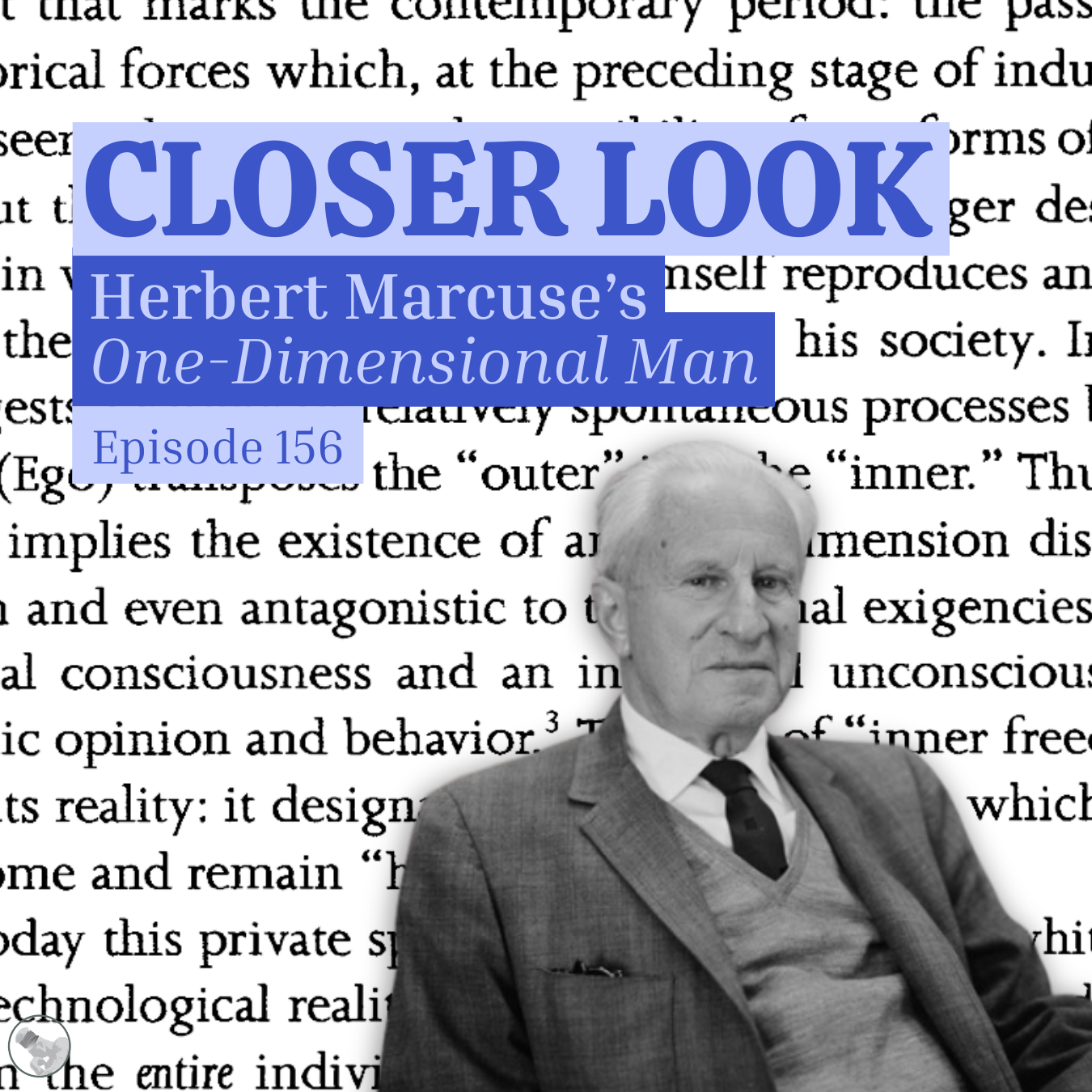
Episode 156: Closer Look: Marcuse, One-Dimensional Man
In episode 156 of Overthink, Ellie and David take a deep dive into Herbert Marcuse’s, One-Dimensional Man. They discuss Marcuse’s critique of analytic philosophy, how private space is getting crushed by new forms of social control, and how an affluent society leads to the absence of critical thinking. How does our society of one-dimensionality turn us into one-dimensional beings? Why does analytic philosophy’s obsession with formal logic prevent us from subversive modes of thinking? And how do the seeming alternatives to the status quo often end up adhering to it instead?
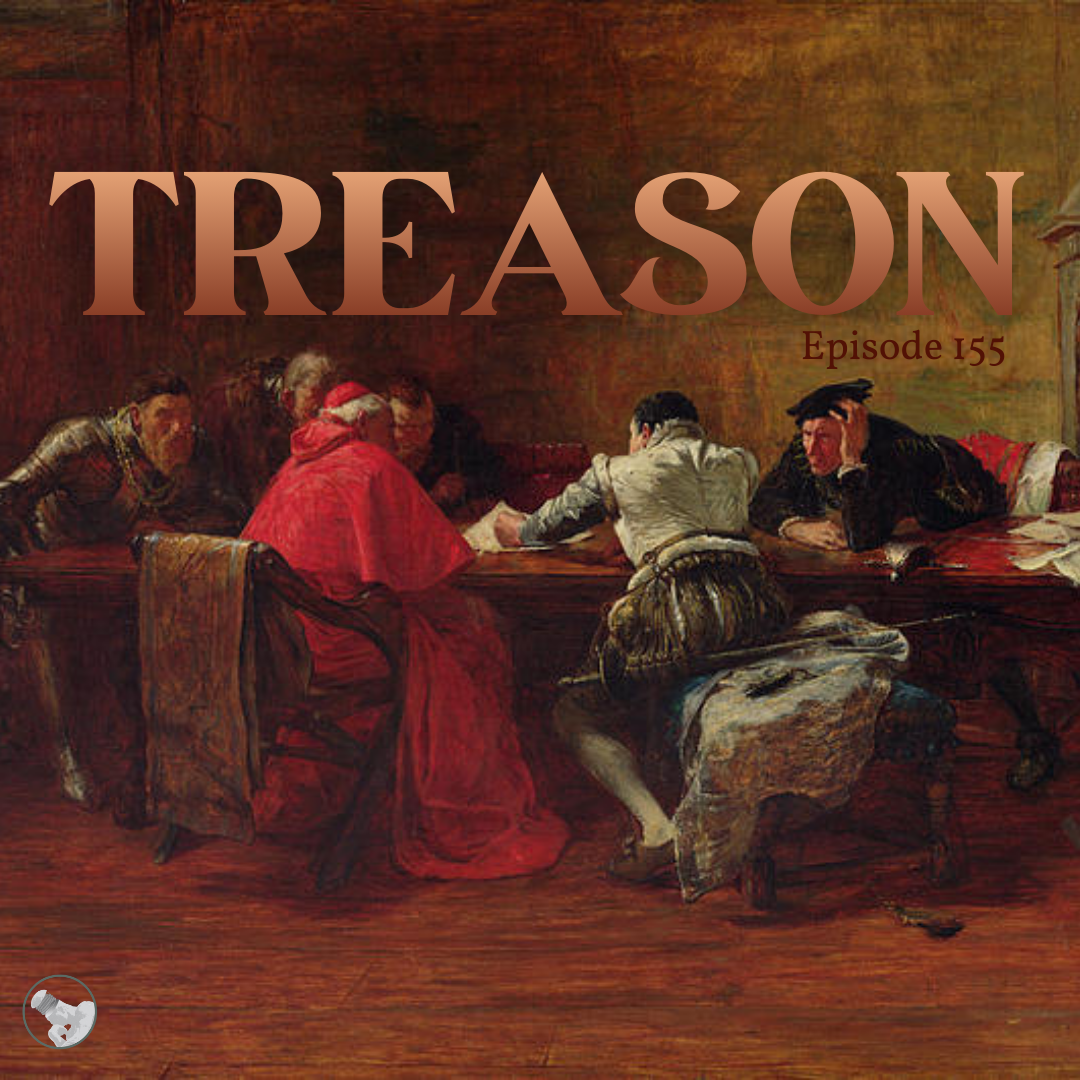
Episode 155: Treason
In episode 155 of Overthink, Ellie and David talk about treason. They look at the changes in the legal definition of treason over time, the famous treasonous acts of Benedict Arnold, Aaron Burr, and John Brown, the political value of treason, and how the very celebration of America's founding is a celebration of treason. Who is capable of committing a treasonous act? How might treason be understood as a transgression of law itself? And is treason ever morally permissible?