
Episode 182: Reflection
In the last episode of Overthink, Ellie and David tackle the concept of reflection and explain why it is so central to philosophy. What is the value of reflection, and what are its drawbacks? How does philosophy go astray when it treats the self as a product of reflection, and how can phenomenology and existentialism shed light on the proper role of reflection in our lives? Your hosts analyze the myth of Narcissus, discuss studies on reflection among animals such as rats and dolphins, and consider reflection as a visual metaphor for thinking. They also offer some thoughts on the podcast’s ending.
Episode 181: Mourning
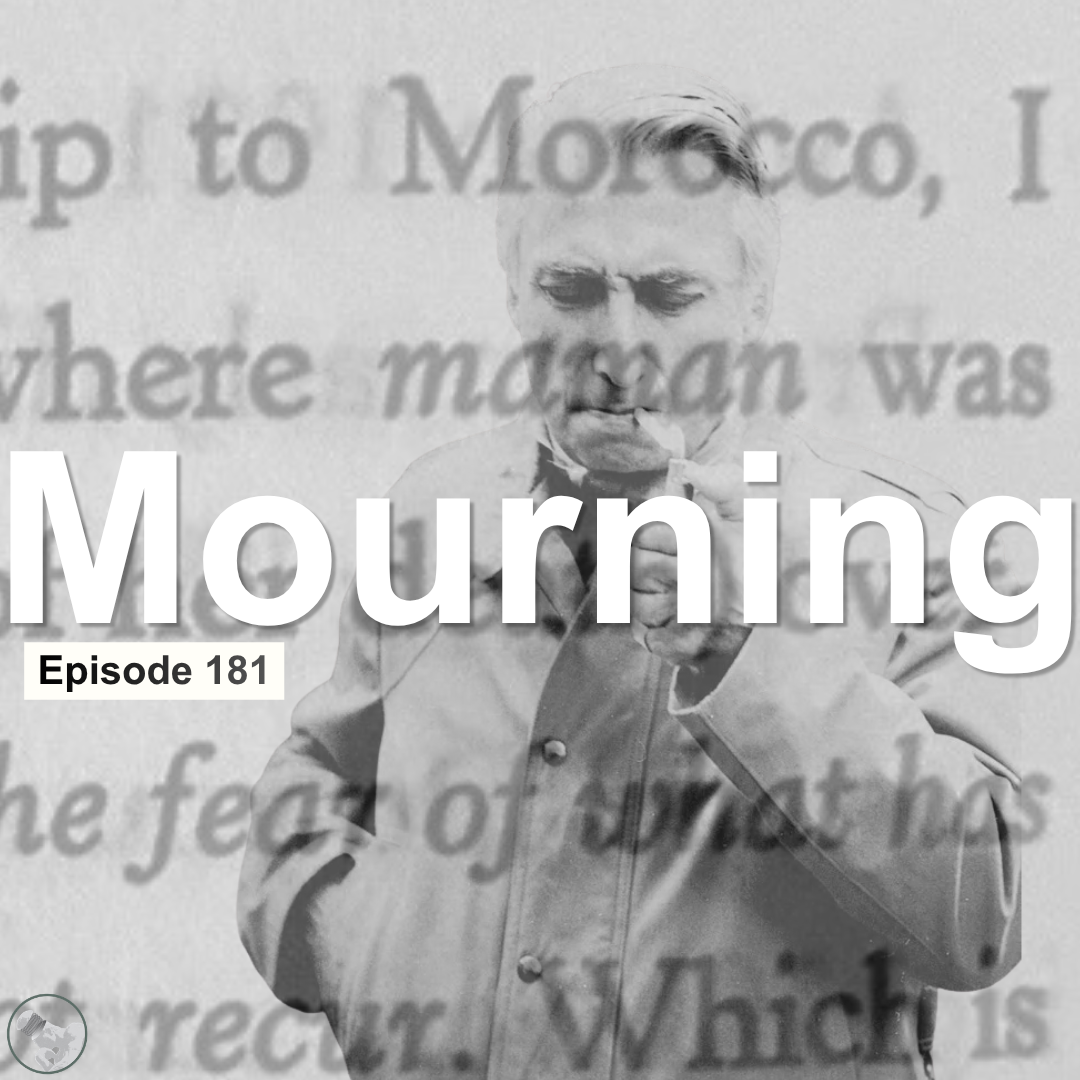
In episode 181 of Overthink, David and Ellie talk about mourning. What kinds of losses hurl us into a state of mourning? Are there healthy and unhealthy ways of mourning? Or does this distinction not apply in cases when we are dealing with irreparable loss? And how do we deal with the loss of someone when the feeling of loss doesn’t naturally resolve but rather stays with us like “an open wound,” as Freud says? To shed light on this difficult experience, your hosts explore Sigmund Freud’s distinction between mourning and melancholia, Roland Barthes’ account of grieving the death of his mother, as well as Emilio Uranga’s analysis of the role that culture plays in our experience of death.

Episode 180: Weddings
In episode 180 of Overthink, Ellie and David talk about weddings. What kind of celebration is a wedding? And what social function do these festivities serve? Do weddings necessarily legitimize the institution of marriage? Or can weddings be dissociated from this legal institution and its problematic history? As they ponder these issues, your hosts walk you down the aisle of history by considering how early Christians developed their views about weddings by embracing some aspects of Roman weddings while rejecting others as vain and contrary to virtue. They also explore the meaning of weddings symbols that are still with us today and look at how weddings can challenge exclusionary nationalist ideologies.
Episode 179: Unemployment
In episode 179 of Overthink, your hosts David and Ellie get into the economic and psychological features of the state no one wants to be stuck in: unemployment. How does capitalism structurally construct “wageless life” while nonetheless treating it as a personal failure or unhappy accident? What’s the connection between unemployment and reactionary politics? And is AI going to put us all out of a job? Correcting misconceptions about automation, UBI, and more, your hosts take you through some significant arguments about the impacts of unemployment and reflect on why this socially-constructed position can make us feel so worthless even when we know that we’re not the problem. In the Substack bonus segment, Ellie and David reflect on the end of Overthink and share some reasons for it.

Episode 176: Attention
In episode 176 of Overthink, Ellie and David draw your attention to attention. They explain why attention is so hard to define and debate the extent to which it should be equated with consciousness. Is attention the same thing as consciousness? Or are there important differences between these concepts? They consider different ways that attention has been classified, from “overt vs. covert” to “effortful vs. effortless” to “voluntary vs. involuntary.” Ellie and David then discuss the commodification of attention and how it has been intensified by the digital era, or what Chris Hayes calls “the age of attention.” How has social media changed the way we attend to the world, to ourselves, and to others? Is our attention still our own? Or has it become alienated?
Episode 173: Theft
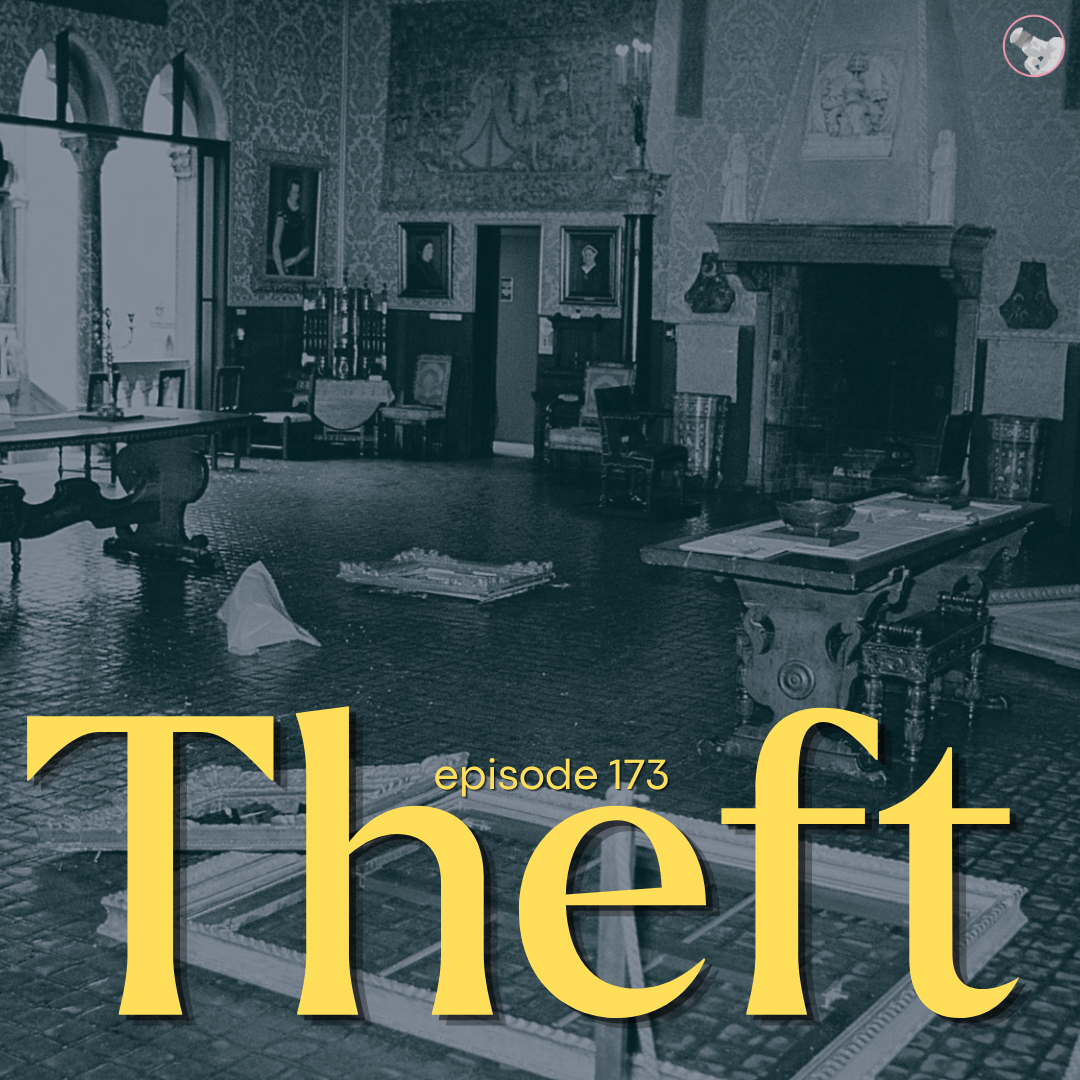
In episode 173 of Overthink, Ellie and David talk about theft. They discuss the lack of legal repercussions for tech companies stealing information to train new AI models, how feudalism and capitalism produced the conditions for stealing land with the creation of private property, and what the historic association between kleptomania and women demonstrates about the gendered dimension of theft. What does the move from heist films to grift docudramas say about 21st century capitalism? Can you steal land if it’s not already property? And why do we sometimes take the side of thieves?
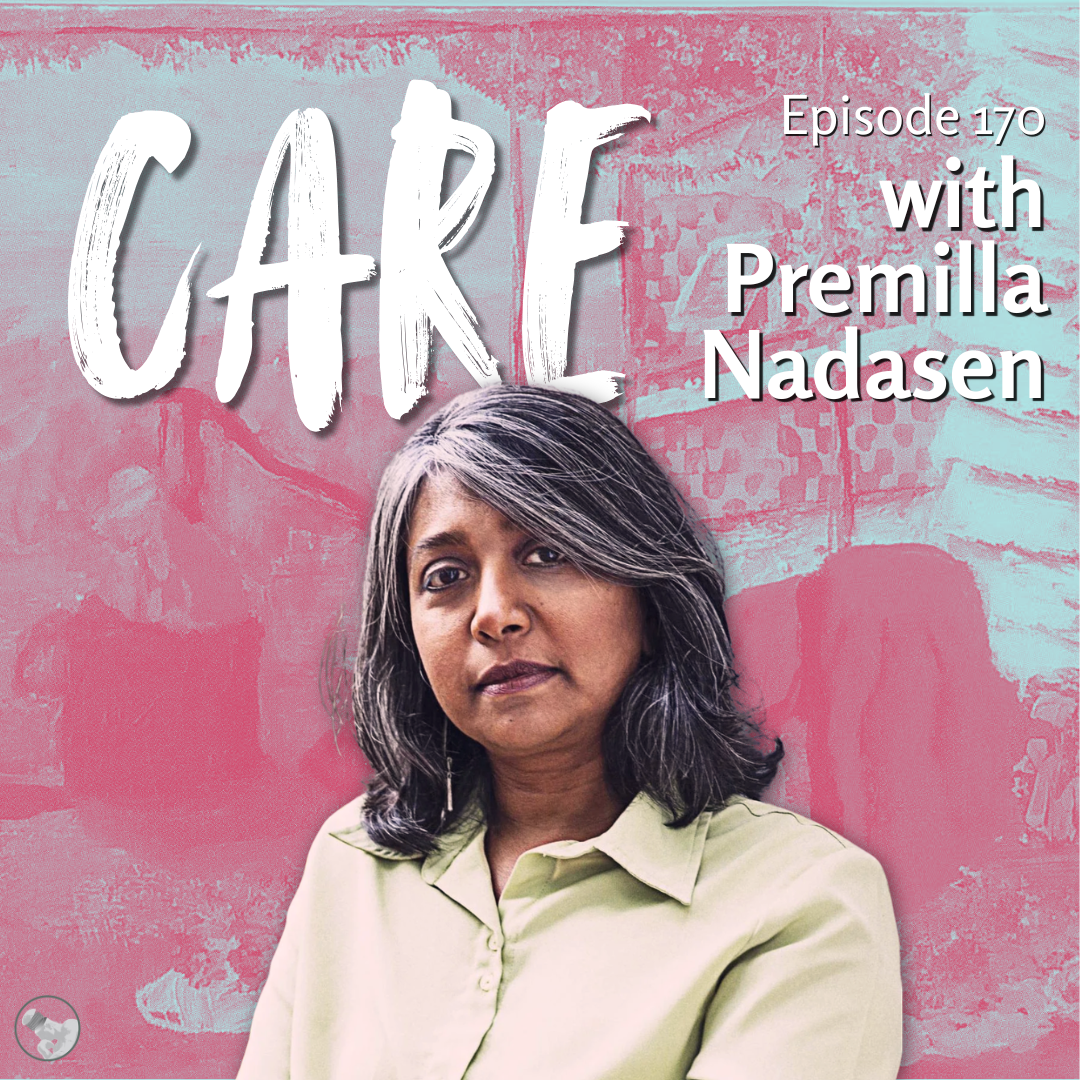
Episode 170: Care with Premilla Nadasen
In episode 170 of Overthink, Ellie and David discuss how this works with Premilla Nadasen, author of Care: The Highest Stage of Capitalism. They discuss how gender fits into the care industry, the harms of associating care work with emotion, and how the practice of care has been commodified. How is it that we deny the most basic care from those who need it most? What are the harms of framing care workers as family members? And how has racial capitalism produced the explosion of the care economy that we're seeing today? In the Substack bonus segment, your hosts think about the distinction between the practice of care and care itself and how labor workers can learn from care workers in their modes of organizing.
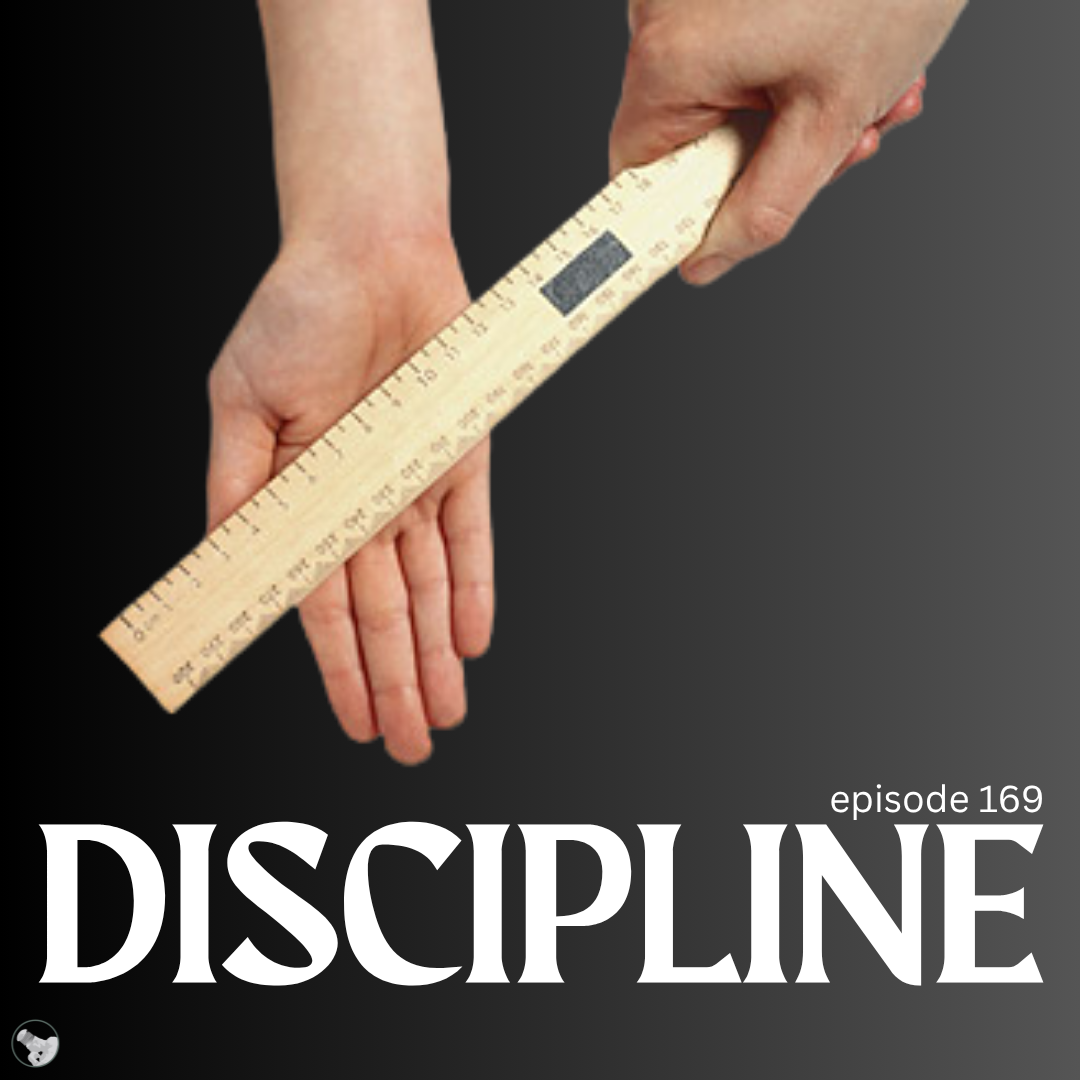
Episode 169: Discipline
In episode 169 of Overthink, Ellie and David talk about discipline. They think about modern culture’s rejection of discipline and how this manifests on the left vs the right, the association between discipline and punishment, and Michel Foucault’s seminal ideas on how disciplinary power rose in society. How can we discipline children without resorting to punishment? And are there models of self-discipline that don’t need to be rooted in punishment of the self?
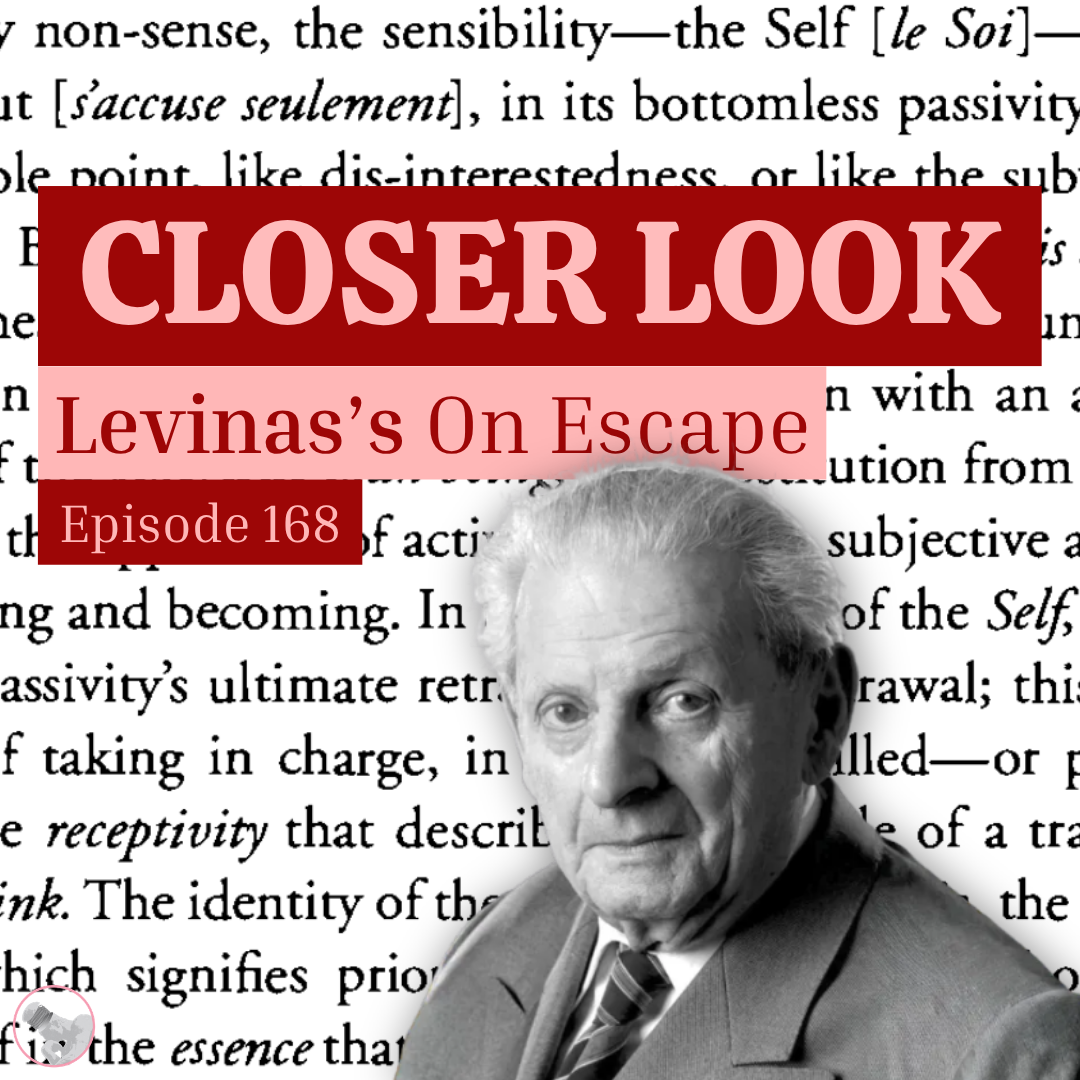
Episode 168: Closer Look: Levinas, On Escape
In episode 168 of Overthink, Ellie and David take a closer look at Emmanuel Levinas’s article “On Escape.” They discuss Levinas’s claim that escape is central to the human condition and explore what exactly we try to escape from and escape to. They explain how this aspect of human existence is crystallized by our experiences of need, pleasure, and even nausea. Are we condemned to being needy beings? How does Levinas’s view of shame put him at a distance from Sartre? And is Levinas right that to be a human is to never be at peace with oneself?
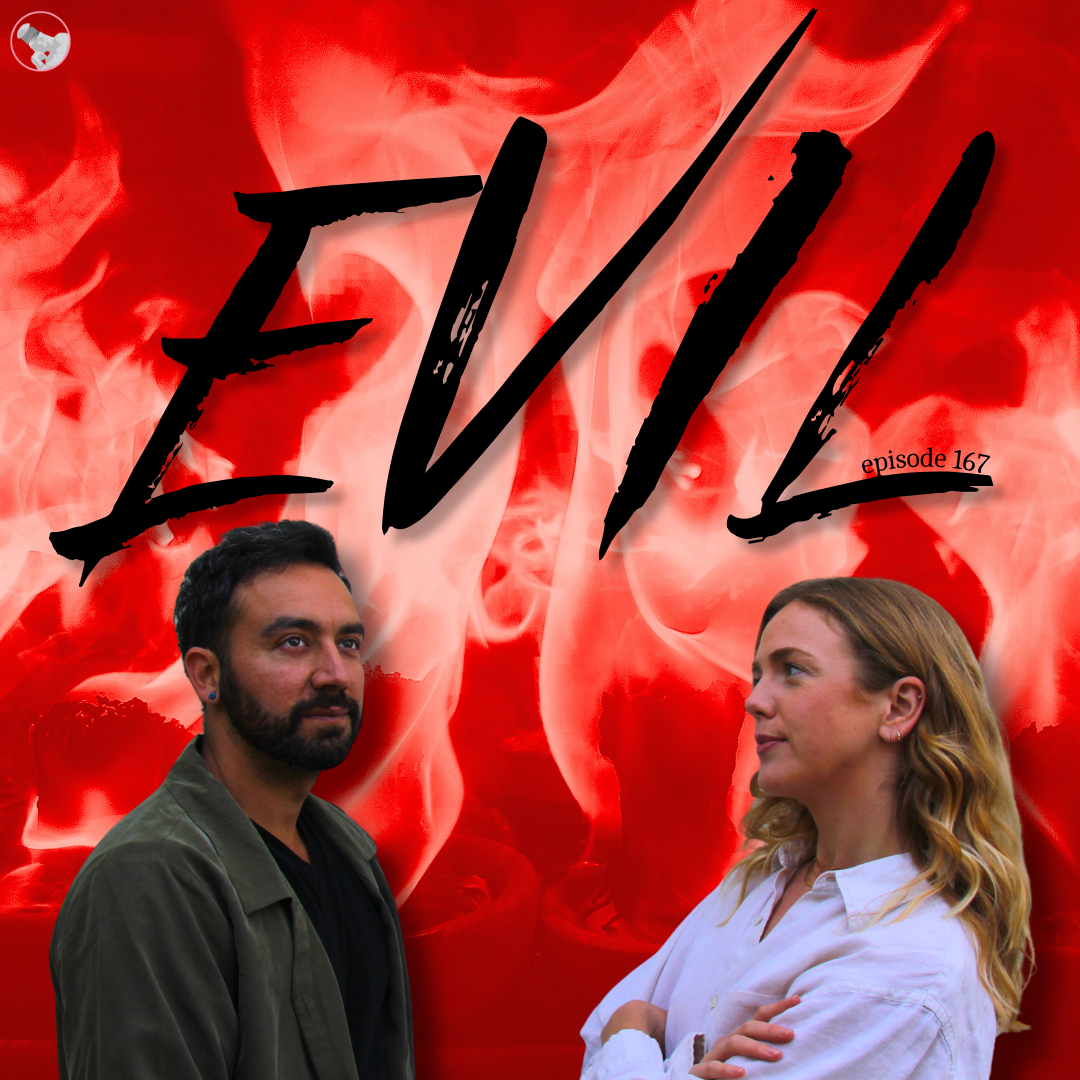
Episode 167: Evil
In episode 167 of Overthink, Ellie and David talk about all things evil. They think through the characterization of evil with darkness in Disney, Leibniz’s best of all possible worlds theory, the conflation of evil with badness, and Hannah Arendt’s concept of the banality of evil. How does Manichaeism attempt to resolve the problem of evil? Is evil simply the lack of good in the world? Can evil be disambiguated from its religious past? And does evil still have relevance in an age of secular ethics or should we give up on the concept altogether?

Episode 166: Pedantry with Arnoud Visser
In episode 166 of Overthink, Ellie and David think about the figure of the pedant with philosopher Arnoud S. Q. Visser about his book, On Pedantry: A Cultural History of the Know-it-All. They discuss the history of the pedant, how the charge of pedantry can promote anti-intellectualism, and the inherently gendered nature of the pedant. Why are pedants usually men? Who were considered pedants in antiquity, and how does pedantry show up nowadays? What are the moral flaws of the pedant? Is pedantry objective, or does it lie in the eye of the beholder? And what does it mean to say someone is pedantic?
Episode 163: Personality
In episode 163 of Overthink, Ellie and David discuss personality. They talk through the Big Five personality test and its legitimacy, the history of the Myers-Briggs Type Indicator test (MBTI), and how the concept of personality emerged out of abnormal psychology. Why did the concept of personality replace using literature to understand the self? How does the concept of personality presuppose a fixed concept of the self? And what is the connection between MBTI and World War II?

Episode 161: Spontaneity
In episode 161 of Overthink, Ellie and David get spontaneous. They look at Aristotle’s theory of spontaneous generation, at spontaneity’s role in politics, and at the dark side of spontaneity. How do different cultures and physical spaces enable or inhibit spontaneity? What is the relationship between spontaneity and human freedom? And is Lenin correct in arguing that leftists need to resist spontaneity in political organizing?
Episode 149: Surfing
In episode 149 of Overthink, Ellie and David talk about all things surfing. They explore the long history of wave-riding across the globe, from Peru to West Africa, and consider how surfing helps us to reimagine social issues and what surfing reveals about the connection between flow and freedom. Is surfing the pinnacle of human life? How has the sportification of surfing directly contravened surfing’s anti-capitalist ethos? Why is the average surfer an image of white masculinity? And how is this image tied to indigenous erasure?

Episode 148: Loneliness
In episode 148 of Overthink, Ellie and David discuss the difference between loneliness and solitude, how loneliness could help explain the rise of fascism in the US, and the public health implications of loneliness. What is the male loneliness epidemic, and does it truly exist? Does the state have a moral obligation to address the loneliness of its citizens? And do we have a fundamental human right to connection?

Episode 147: Confidence
In episode 147 of Overthink, Ellie and David discuss confidence. Modernity has created a crisis of confidence, leading to the demand that we all maximize our confidence. But what is confidence? Is it a personality trait or a relational concept? What causes under- and over-confidence? And is instilling confidence an equity issue? Your hosts think through Charles Pépin’s pillars of confidence, Don A. Moore's formula for calibrating your confidence, and the gendered nature of confidence through bodily expressions.

Episode 146: Togetherness with Dan Zahavi
In episode 146 of Overthink, Ellie and David chat with philosopher Dan Zahavi about his book, Being We: Phenomenological Contributions to Social Ontology. They discuss how the increase in communication through screens has shifted what it means to be together, the decline of social bonds in political life, and what phenomenological understandings of empathy tell us about being together. How do dyadic relationships such as romantic love and friendship shape our identities? Does there need to be a conception of the self that precedes sociality? What are the different types of wes? And how can phenomenology help us think about the importance of face-to-face interactions?

Episode 143: Degrowth
In episode 143 of Overthink, Ellie and David explore the topic of degrowth. They discuss the imperial mode of living, Kohei Saito’s pillars of degrowth communism, and the iron law of capitalism. How does the degrowth movement build off of Karl Marx’s theory of capital? What are the differences between the Degrowthers’ criticisms of the Green New Deal and the greenwashing criticisms against it? And how can we build a post-capitalist world?

Episode 139: Neighbors
In episode 139 of Overthink, Ellie and David talk about neighbors. They think through the parasocial relationships that exist between neighbors, how the values of our neighbors affect us, and how neighborly relations blur the public/private distinction. They look to Levinas’s understanding of the neighbor as the other and think about how this understanding can help us in day-to-day interactions. How do our relationships with neighbors differ from our other kinds of relationships? To what extent do we choose our neighbors, and how does this change according to people’s amount of wealth? And what actually makes a neighbor a neighbor?
Episode 136: Burnout
In episode 136 of Overthink, Ellie and David talk through all things burnout. They look at the history of the term burnout and its connection to social justice, the correlation between achievement culture and burnout, and what Christina Maslach’s Burnout inventory tells us about the different axes of burnout. How does our mindless scrolling and inability to be bored contribute to burnout? Why do academics struggle to recognize their burnout? And is it even possible to escape burnout in a capitalist society?